In Defense of the Unsharp Photo

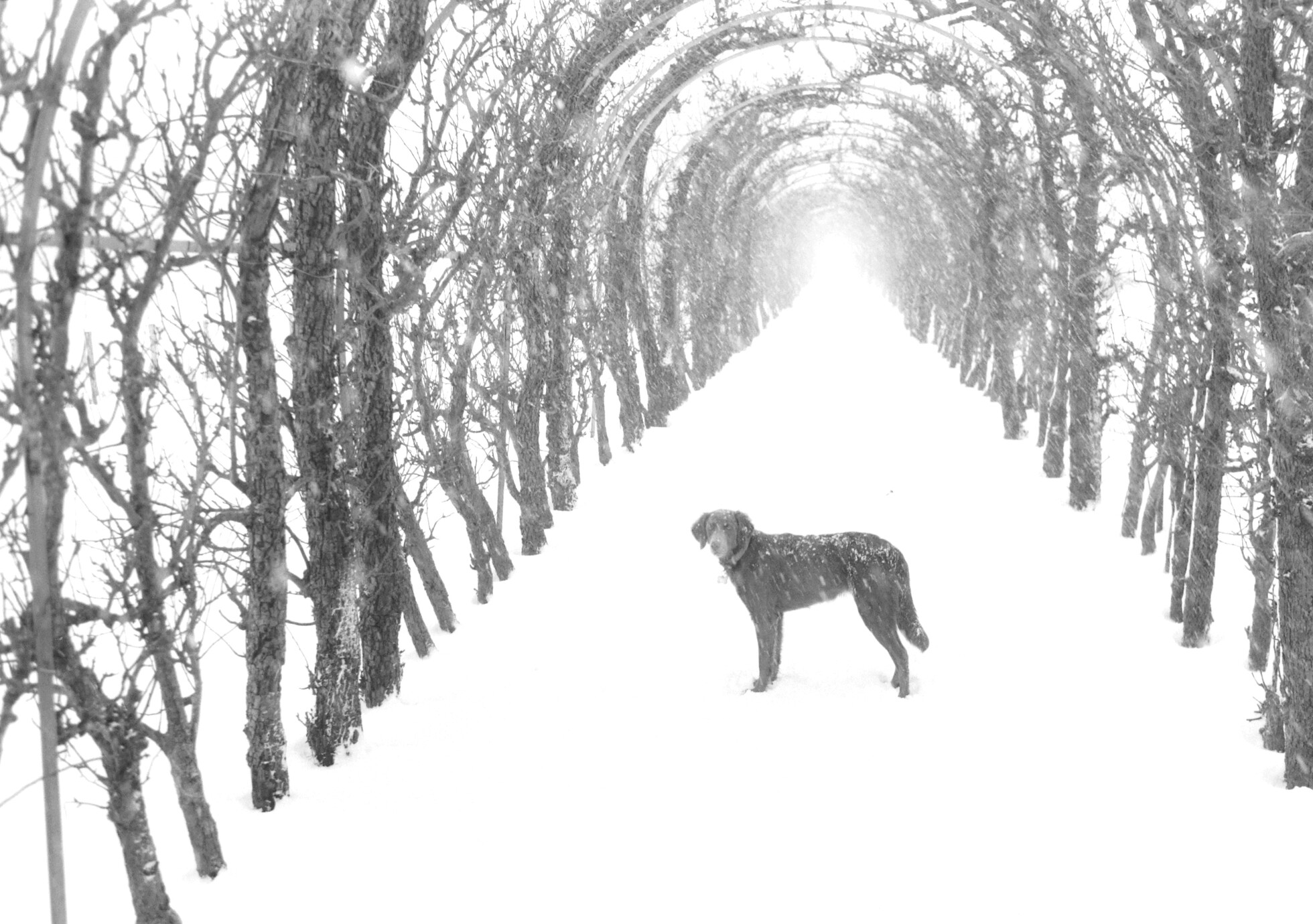
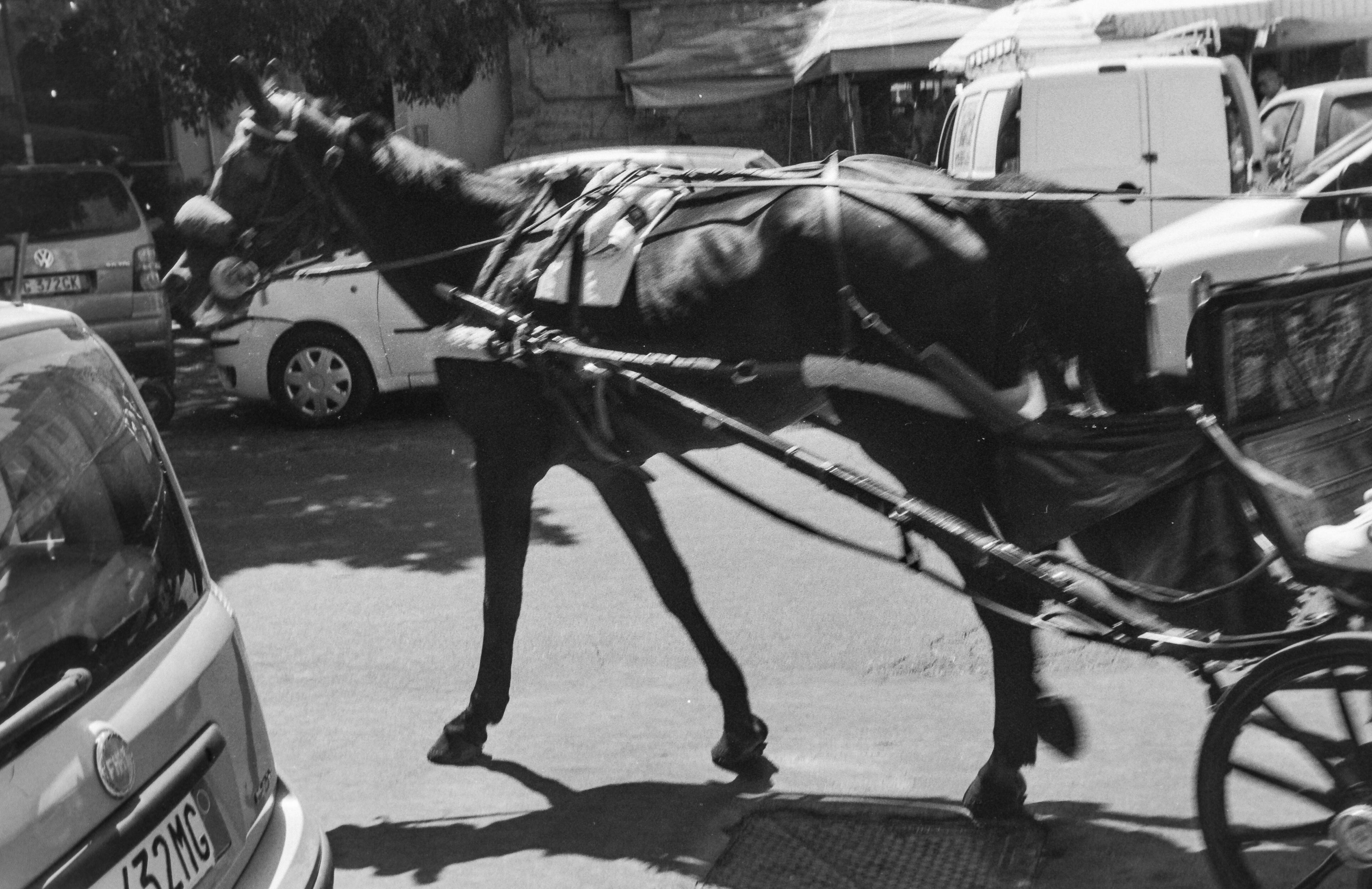
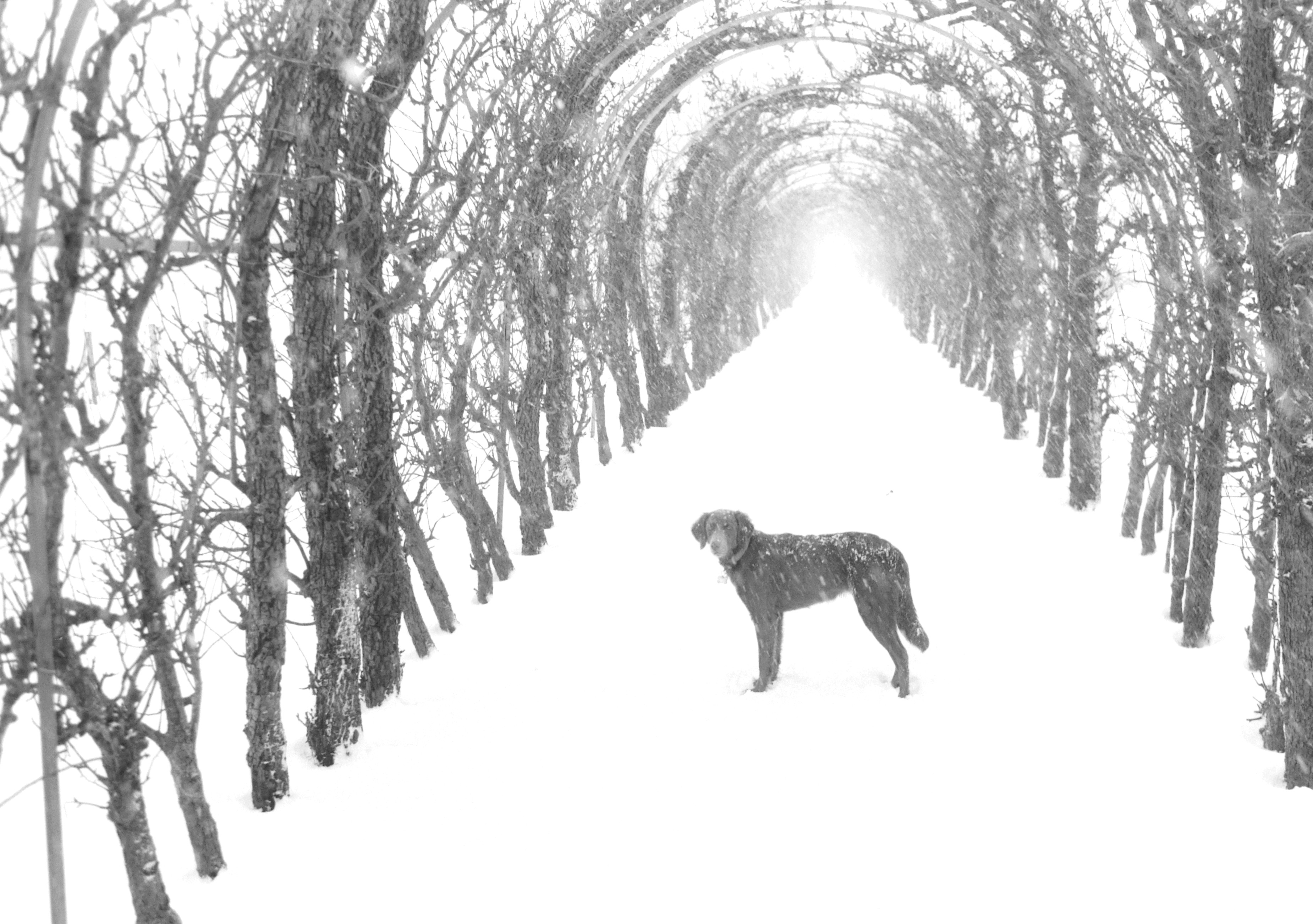
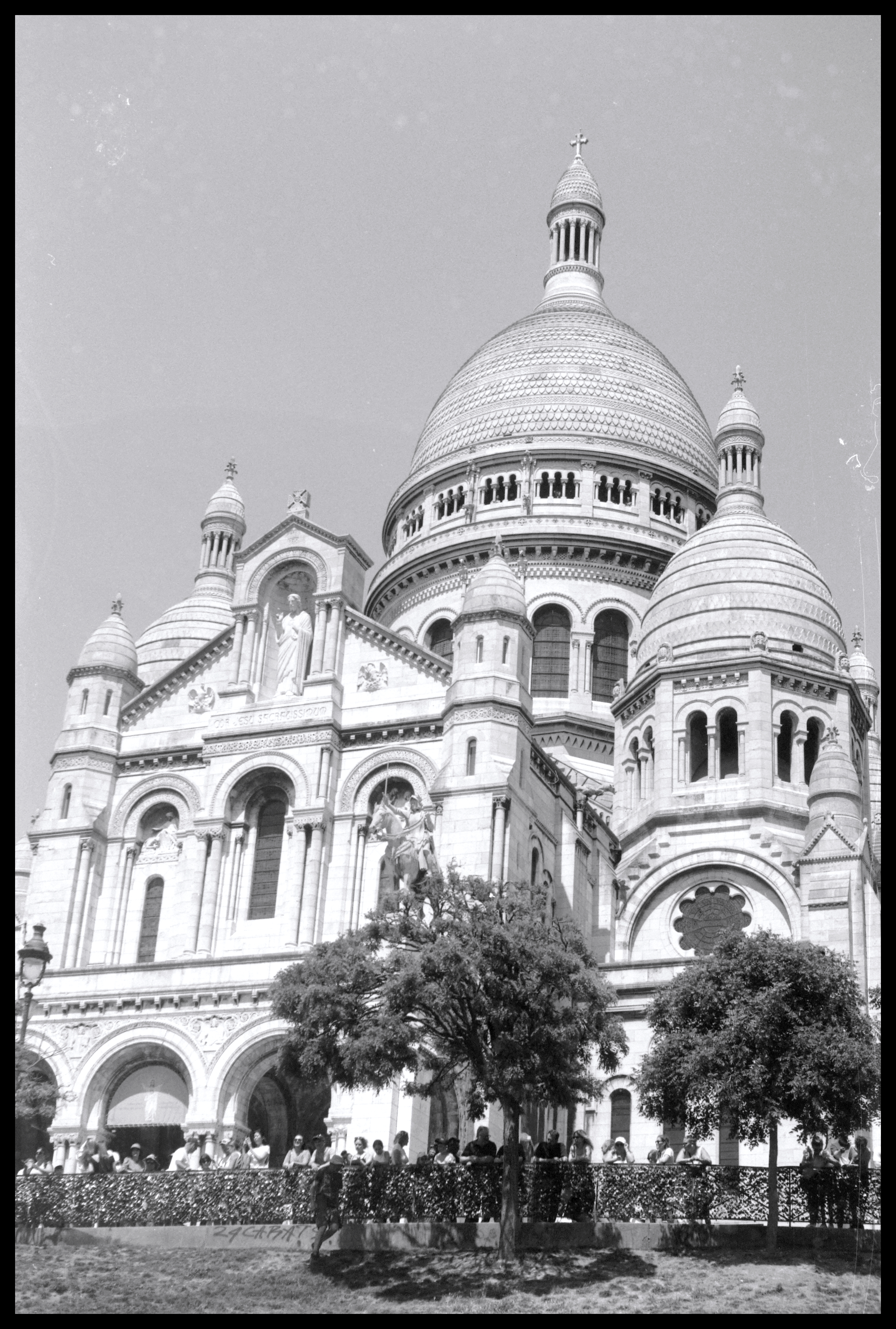
Technically speaking, none of these shots are "perfect." They aren't sharp, at least not in that hyper-crisp, digital way that dominates social media and magazines today.
There's a simple reason for it. I shot them on vintage film cameras loaded with ISO 100 film, which meant slower shutter speeds and a shallower depth of field. Layer on top the characteristics of older glass, lenses that simply lack the clinical, razor-sharp edge of modern optics, and the result is softer by nature.
Why I love the soft look
To me, that lack of clinical sharpness is precisely where the soul, energy, and character of an image live. There is an organic warmth to the frames that makes me immediately want to see them printed the traditional way in a darkroom.
Henri Cartier-Bresson famously called sharpness a "bourgeois concept," and long before I ever stumbled across his quote, that mindset had already been shaping how I approach my work.
Knowing when sharpness actually matters
Of course, technical perfection has its place. When you're on a commercial job, shooting products, or capturing architectural interiors, the final images need to be pin-sharp. No question about it.
But photography isn't just about chasing resolution, tweaking color profiles, or relying on camera specs to manufacture a vibe. It’s a visual language meant to communicate emotion, feeling, and mood. More often than not, I find far more feeling in photos that are technically not correct. What good is a technically flawless photo if it leaves you completely cold?
As Daido Moriyama pointed out, you can write a breathtaking poem with a cheap ballpoint pen. The tool in your hand is secondary to the story you want to tell.
The power of leaving room to feel
There is a quiet power in simplicity and understatement, leaving room for interpretation lets the core message hit harder. That is what these softer images do for me, and why they hold up over time.
It’s the same reason we still freeze when looking at a man jumping over a puddle in Paris, or soldiers wading through the surf on Omaha Beach. Those iconic frames are far from sharp. Because they aren't technically perfect, they force the viewer's mind and heart to fill in the gaps and feel the reality of the moment.
A raw, honest, imperfect photograph will beat out a sterile, over-edited digital image every single time. You can engineer technical perfection, but you can’t engineer a feeling.
Long live imperfection.